Bos Yapma: DÉGÂTS Addendum
For one expressive need among many for the Poetry, French provides for a visual language that permits muteness although mutism may be the better word. The ear falls deaf no differently than the eye goes blind in defense against the information economy’s aural and visual destitution. Interviewed in Revolt, She Said, Kristeva speaks of her psychoanalytic training’s understanding that “desire, if it exists, is unalterable, infinite, absolute and destructive” (23). Only on the previous page does she restate the cornerstone of Fanny Söderbäck’s 2021 study of Kristeva and Irigaray, Revolutionary Time: her distinction between semiotic and symbolic fields of language, the latter consisting of signs and syntax – rhetoric, in a word, discursive forms, or in its elemental form as control mechanism, the sentence. Chains somatic writing must accept to communicate rather than commune. Kristeva associates soma with the “maternal imprint on the psyche,” but she does not elaborate as to how somatic language might look or sound other than by alluding to Artaud’s “idiolectal voice . . . always eternally to come” (21). Paradoxically, perhaps, the muteness of French for the Art of Poetry opens it to somatic experience where grammar serves brokenness and where semantics are perpetually indeterminate. But what other word is there for the painter’s eye and the poet’s ear than desire, or désir? How can the craving for visualization of the grapheme and phonemic caresses destroy mind and body? Happily, ten pages later, Kristeva contradicts her analytical view of desire: “Infinite jouissance for each person at the intersection of happiness for all . . . is it anything else but the sacred?” (34). Then she reminds her interviewer that “Bulgaria is part of old Byzantium,” which locates geographically and spiritually the provenance of a thin, battered volume that traveled from Cleveland to Siberia, then Poland, and back to the Dakotas: Zivka Velkova’s The Thracian Glosses. From The Morning Walk (1995):
11/28 (Dusk)
To dream of including everything is to dream of being included. And then intention sidles in dispersing force. An allegory, not elegy. This will be my life work. Have had presentiments all day. It will include everything: lyric, song, rhyme, narrative & commentary & stage (theater), translations, adaptations, assimilations – appropriated. A compendium and vision of Historical Materialism. The Promise of Happiness.
I am caught in a conversation.
I am 37 this March. Conversations with Eckermann.
Holy Church is Hope. The foundation of all future work.
The intention here is to base myself. Brace myself.
There is no more
There must be no more
America
Baleful analytic readers read for codes. For the duration of a foundational passage, Goethe authorizes consecration of the calling to the Book. Elsewhere Shakespeare, Sir Thomas Browne, Mary and Percy Shelley, Robert Burns, the composite figure of John Clare/George Gordon Lord Byron, Osip Mandelshtam, Attila József, and Hart Crane serve such purpose among (de)ranging photography of the Western lyric tradition. The baleful reader is like Kristeva speaking for psychoanalysis rather than the sacred that Delphine Red Shirt understands when she writes about Lakota compositional practice, heard as pure improvisation in her translation of a text by George Sword from Pine Ridge at the end of the nineteenth century: Kristeva’s soma, the body in motion and words pitched to the four corners of the universe without any preparation other than ‘attentive attention’ to appearance.


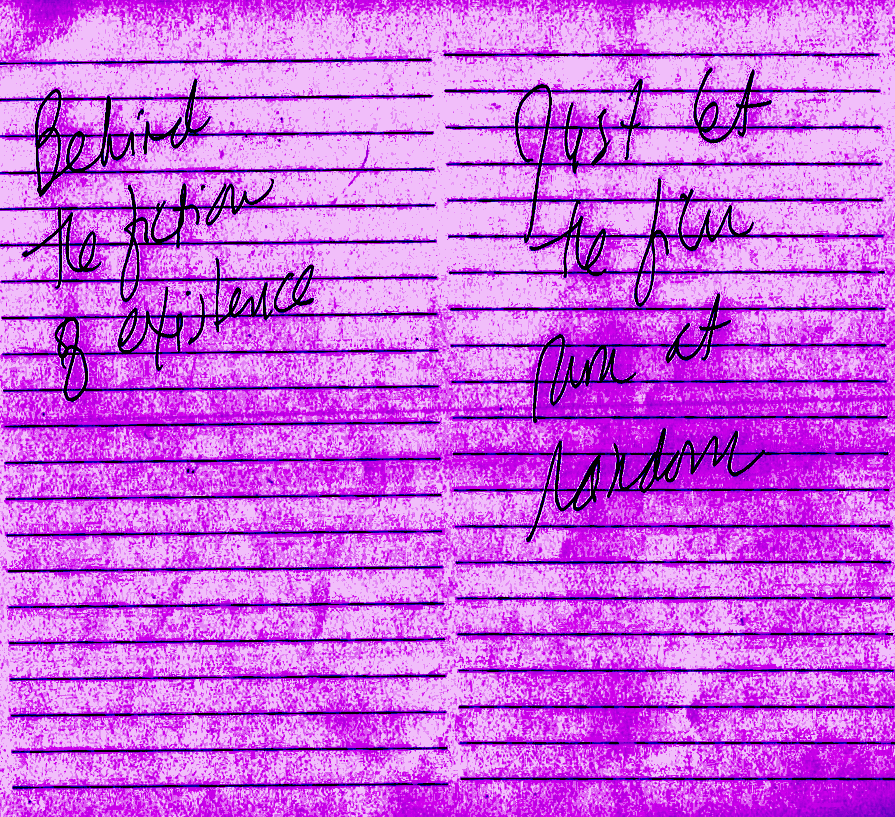
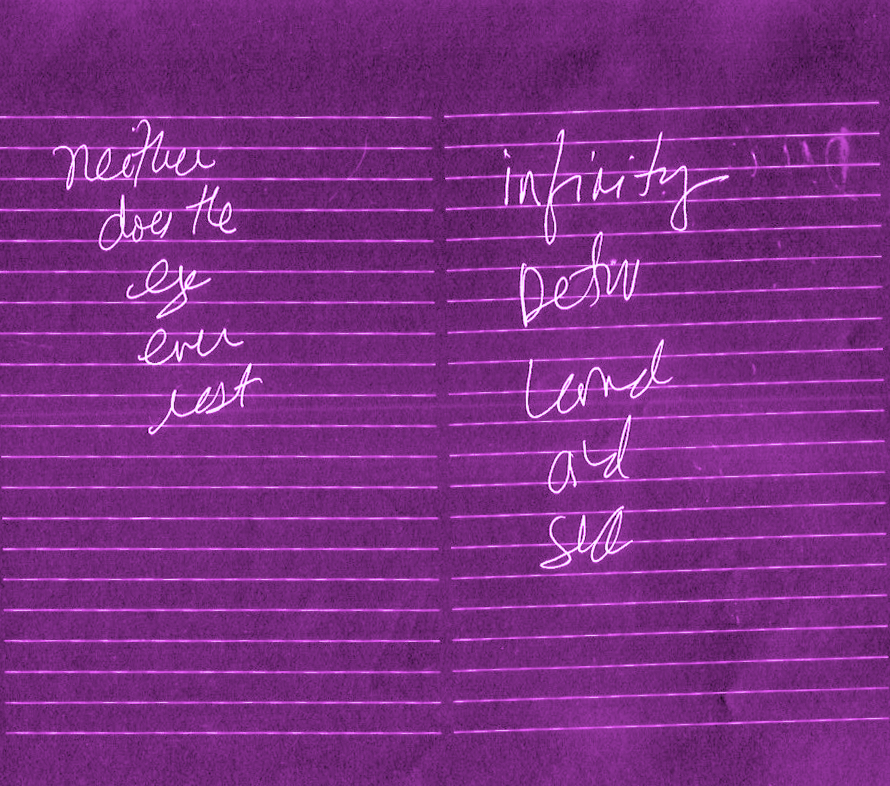
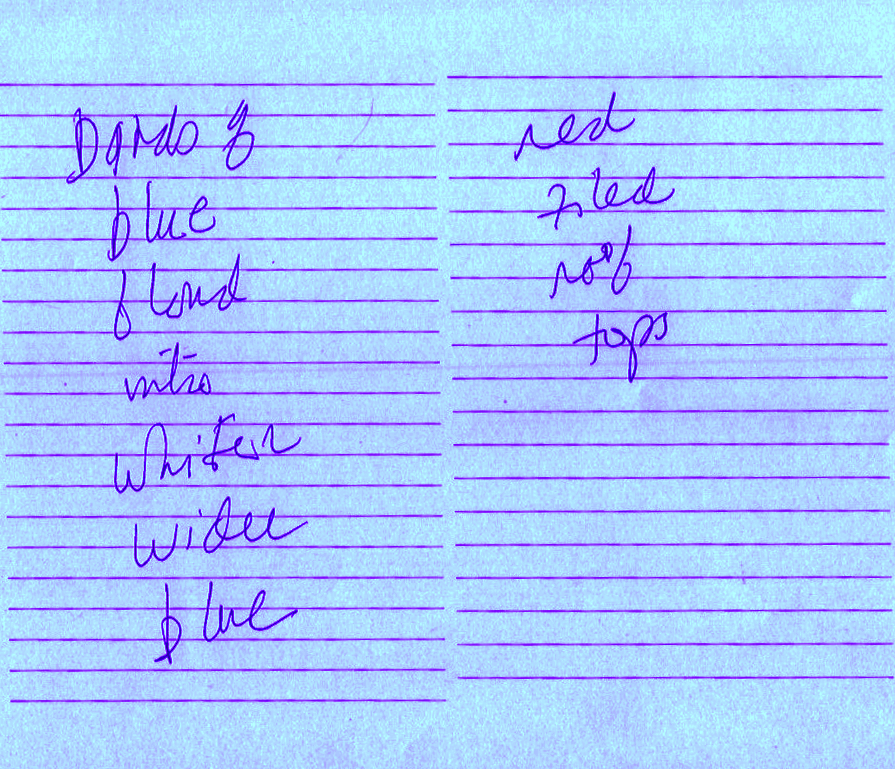
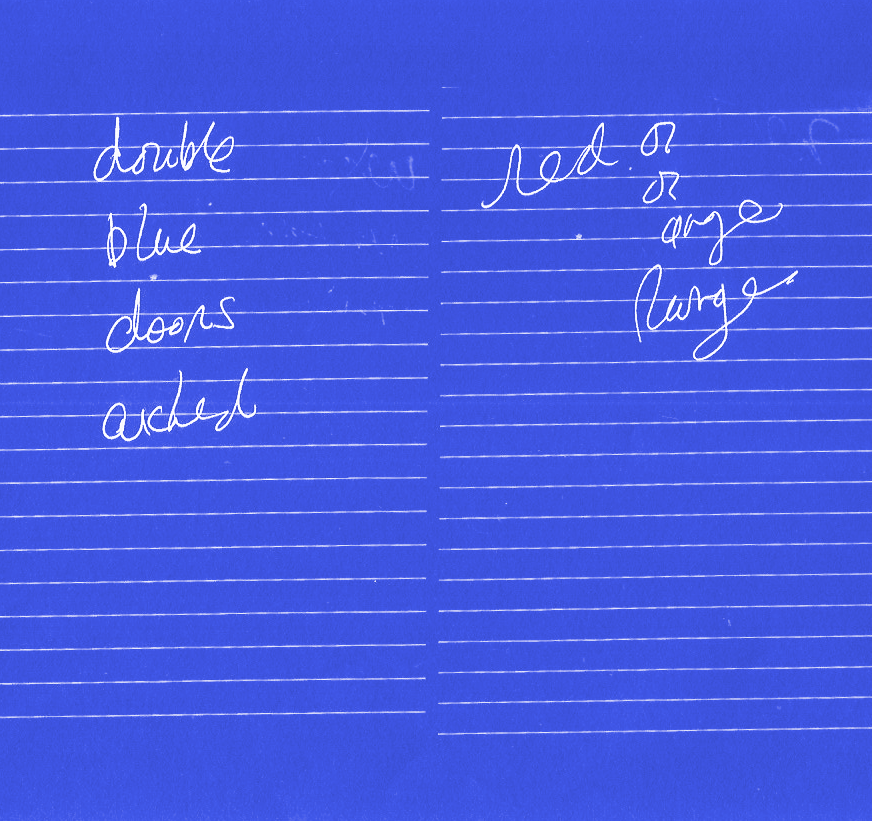
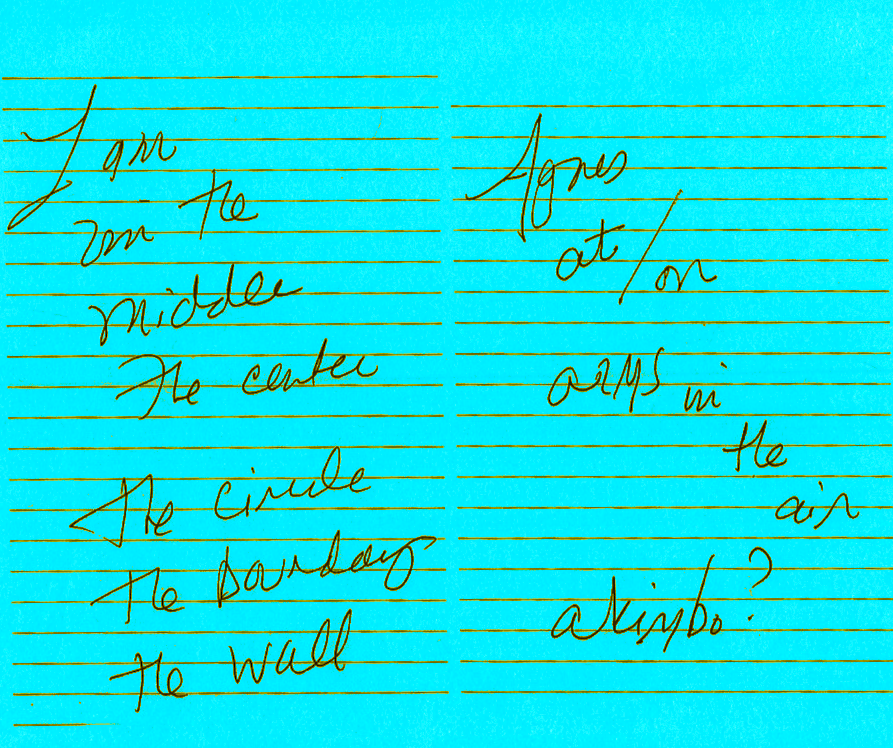
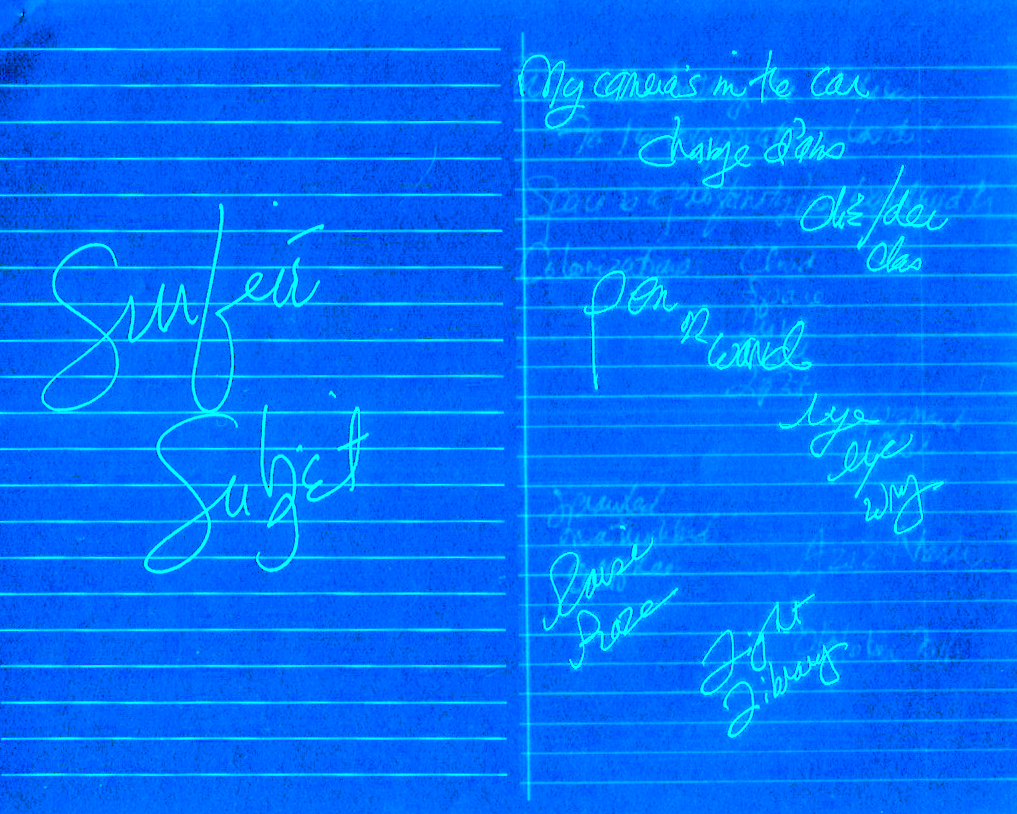
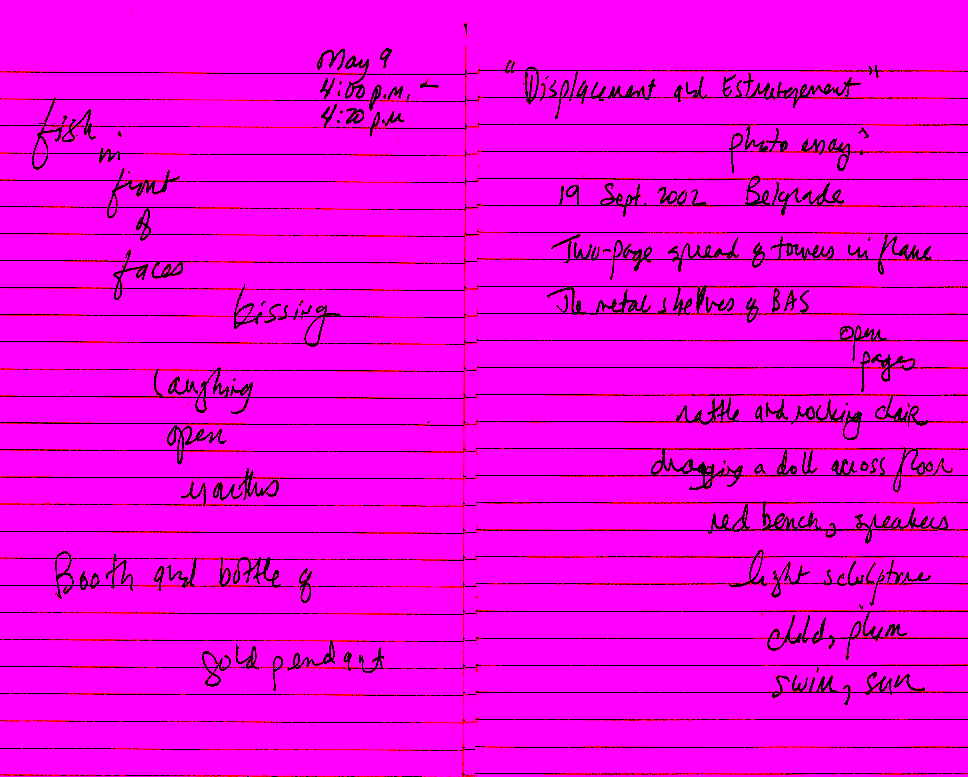
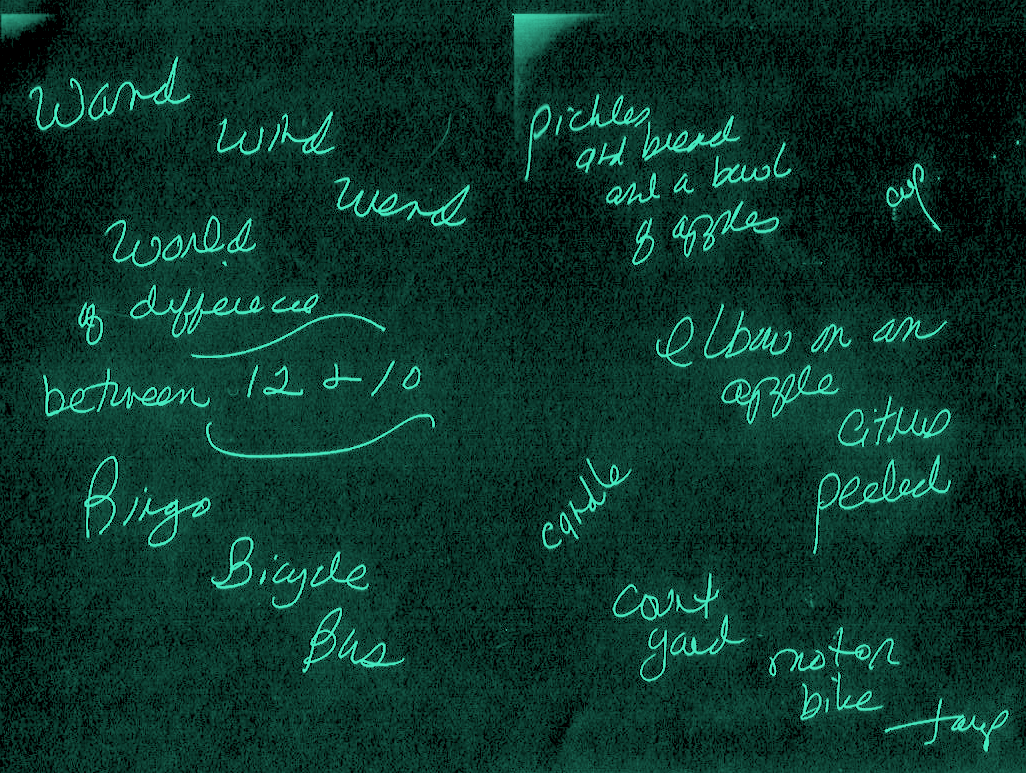
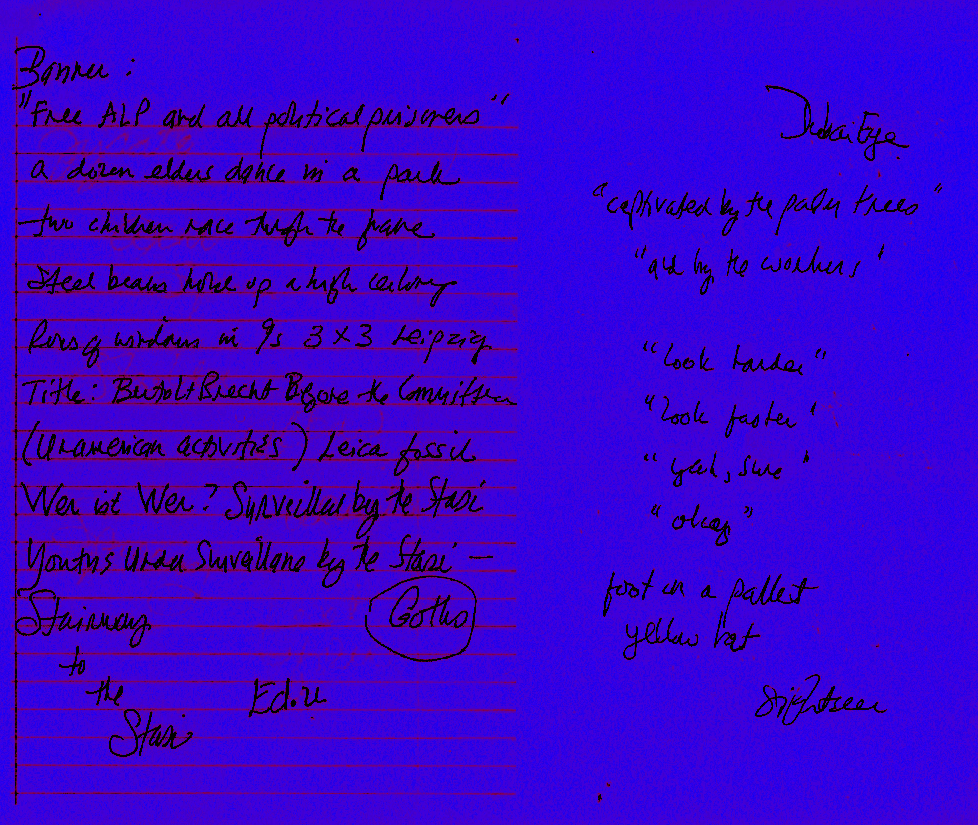
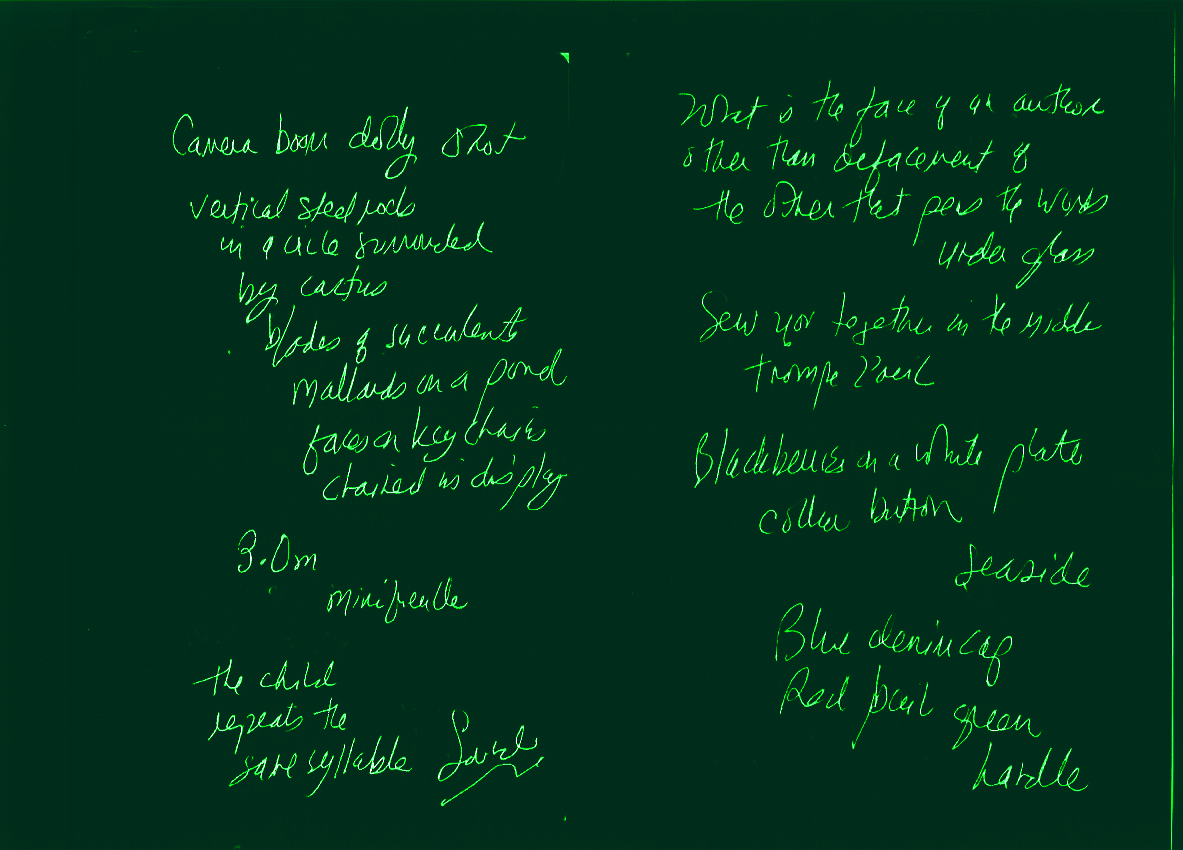
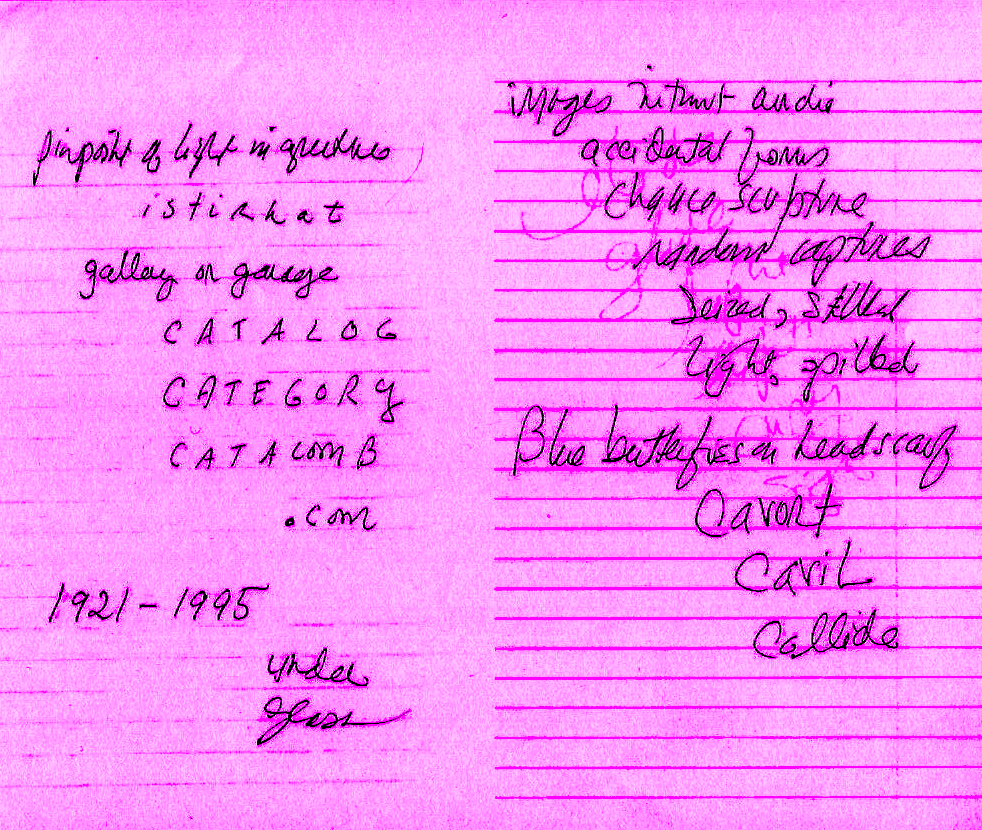
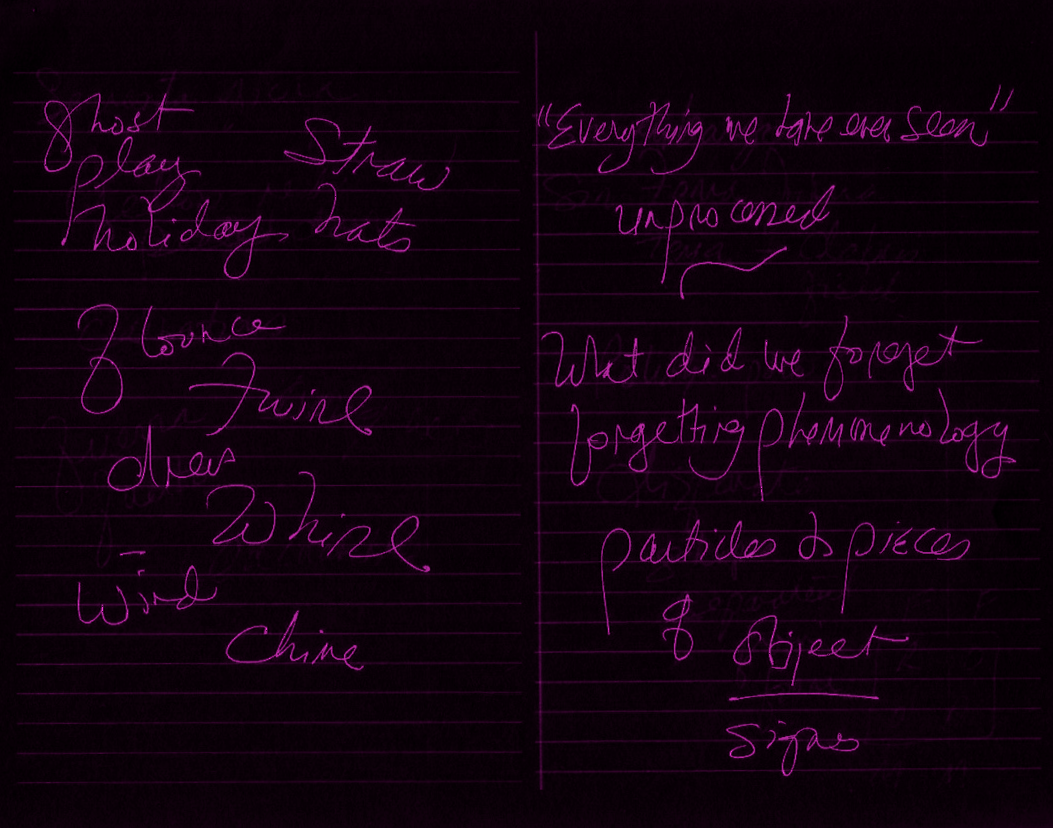
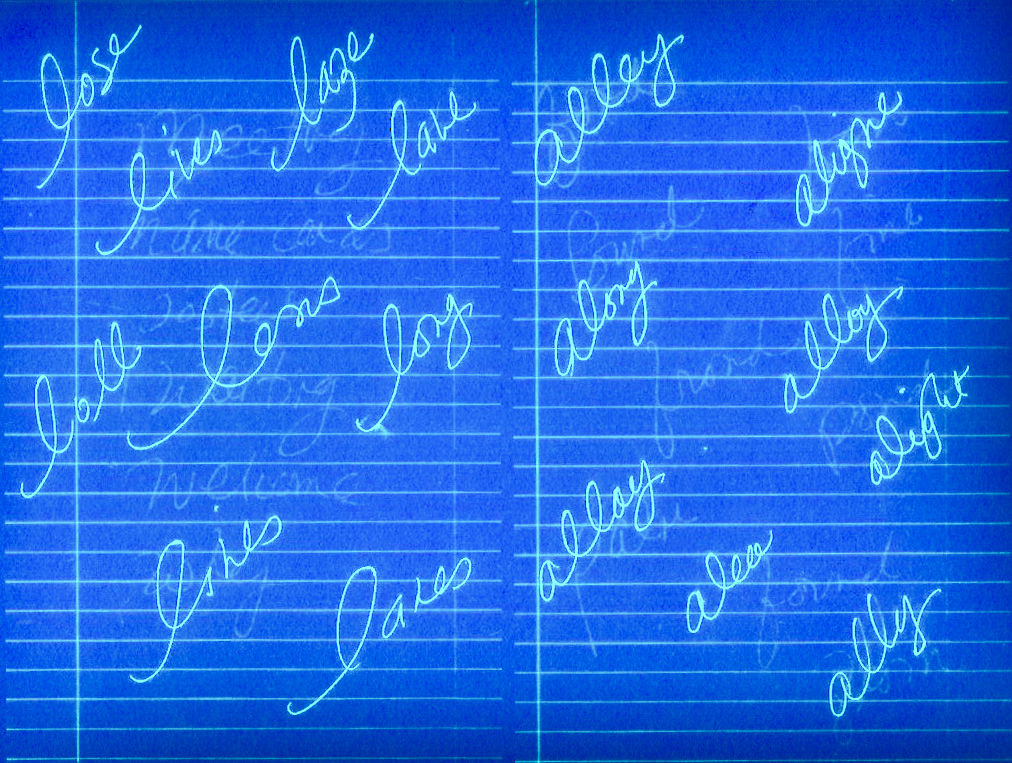
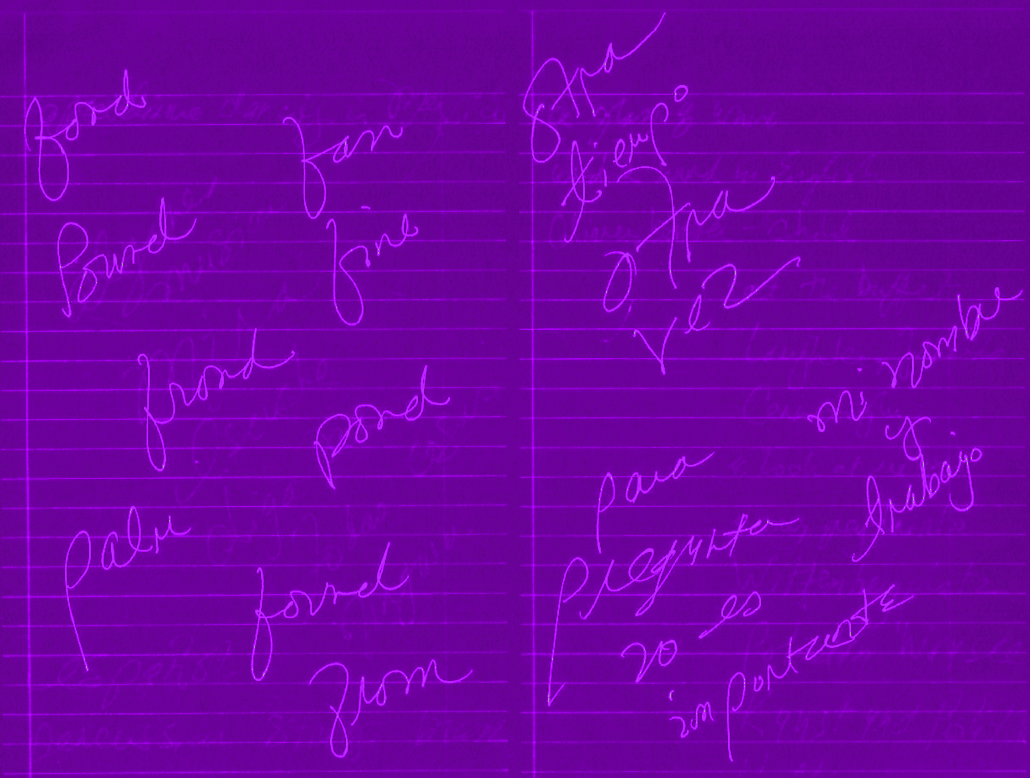
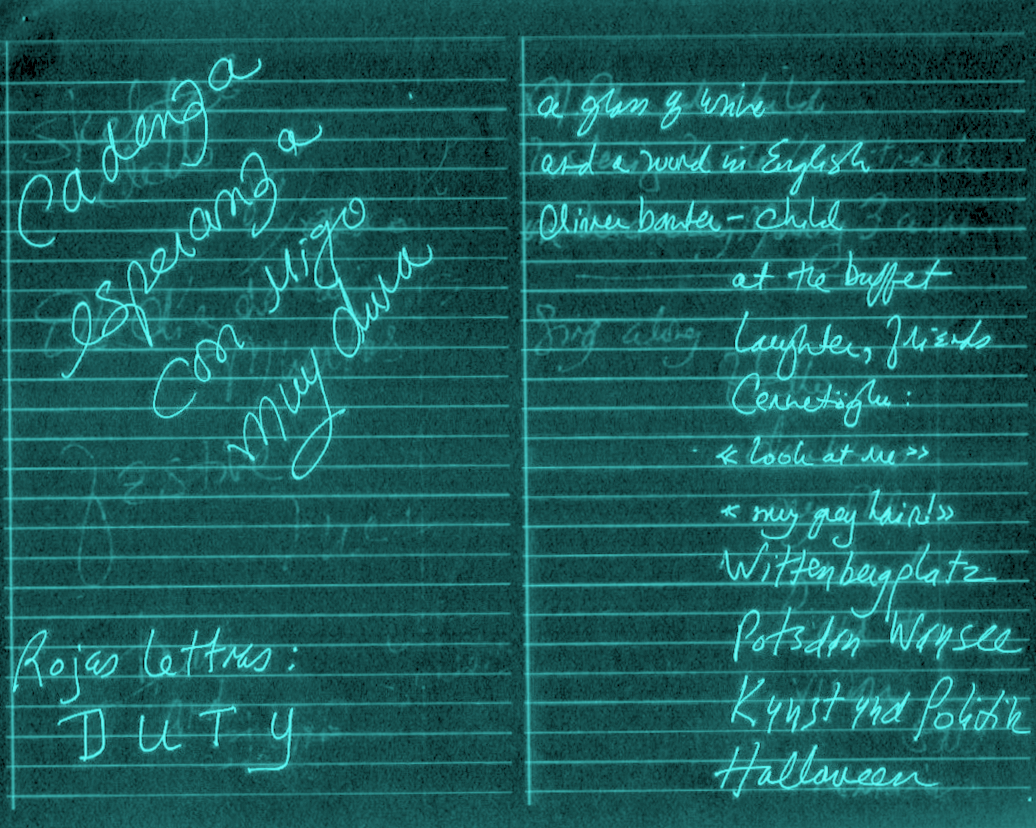
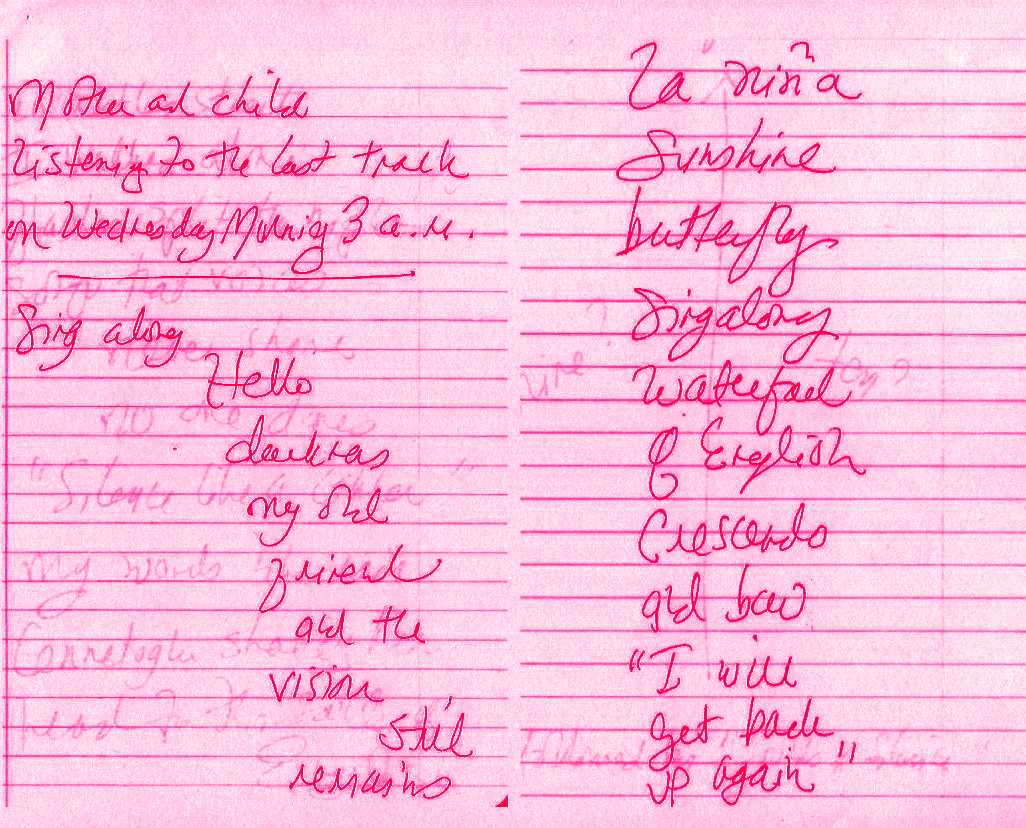
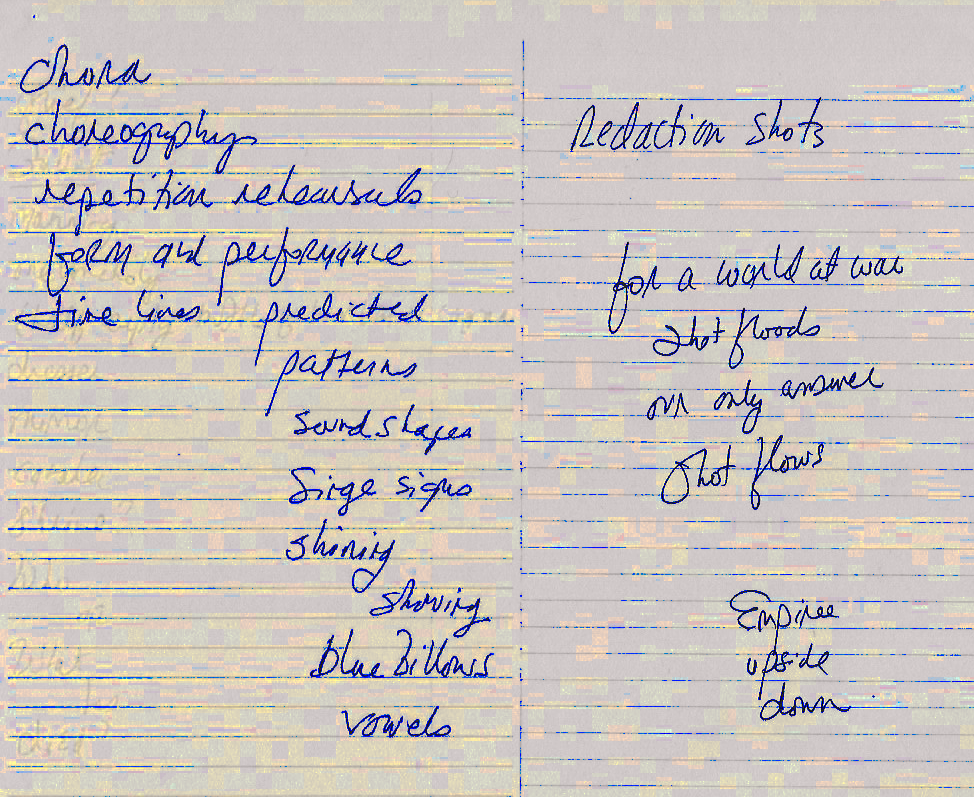
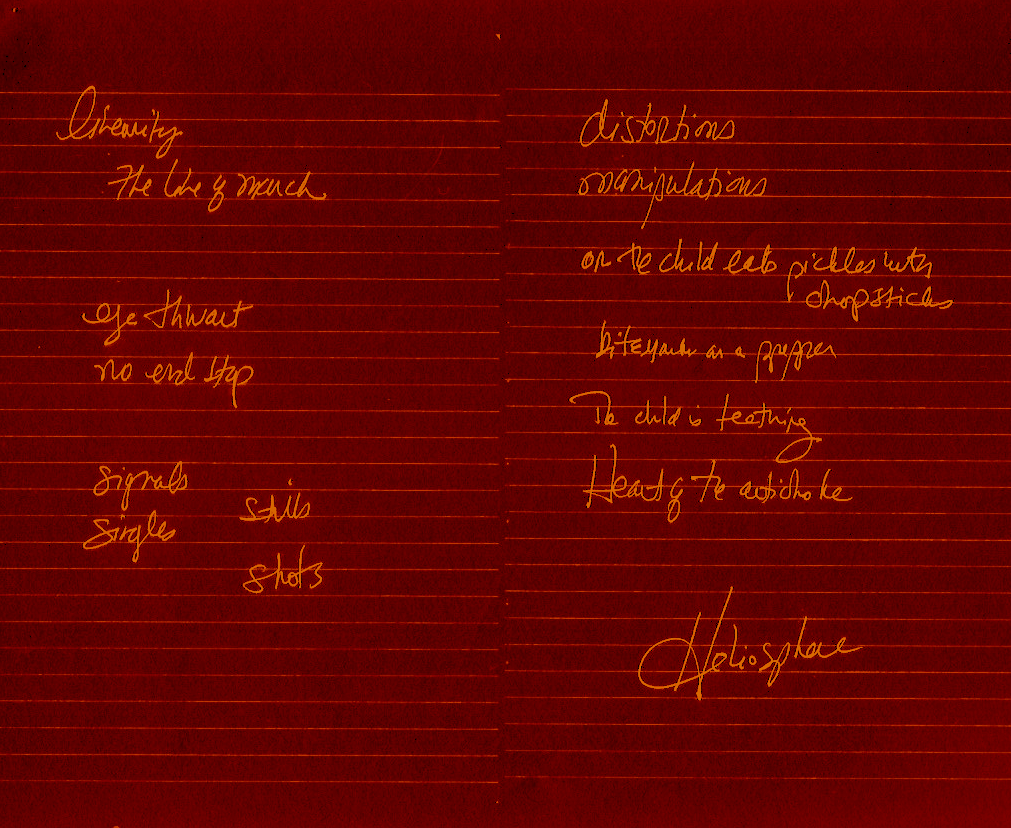
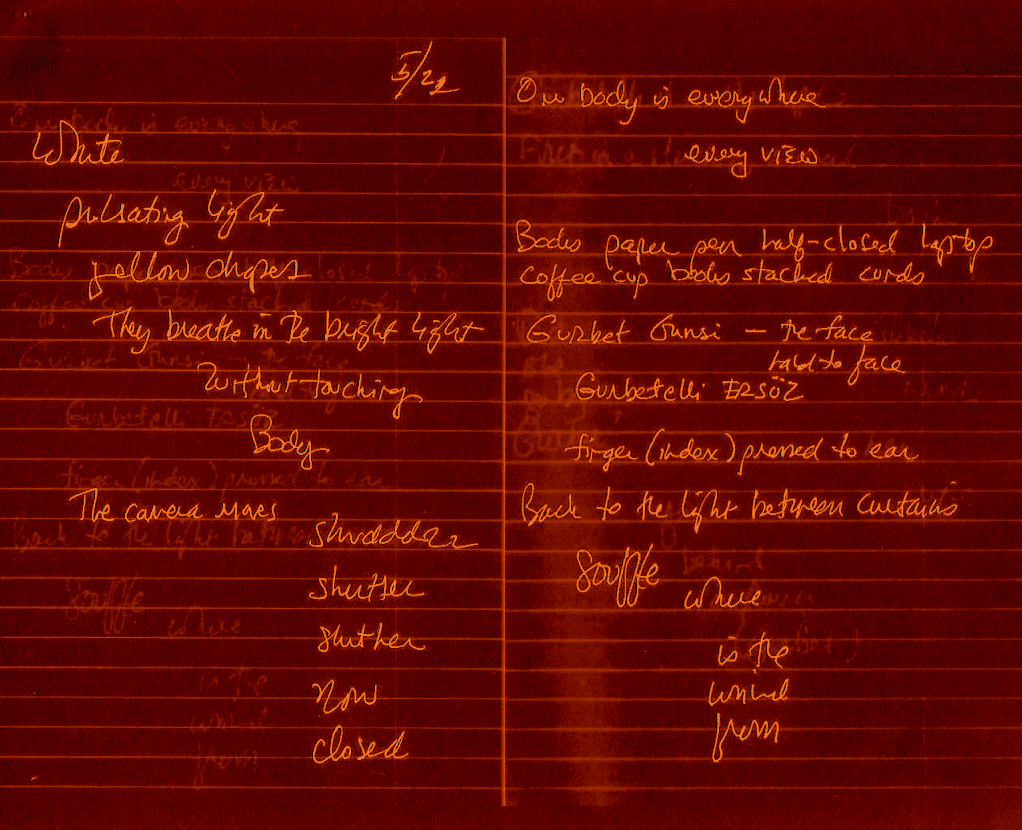
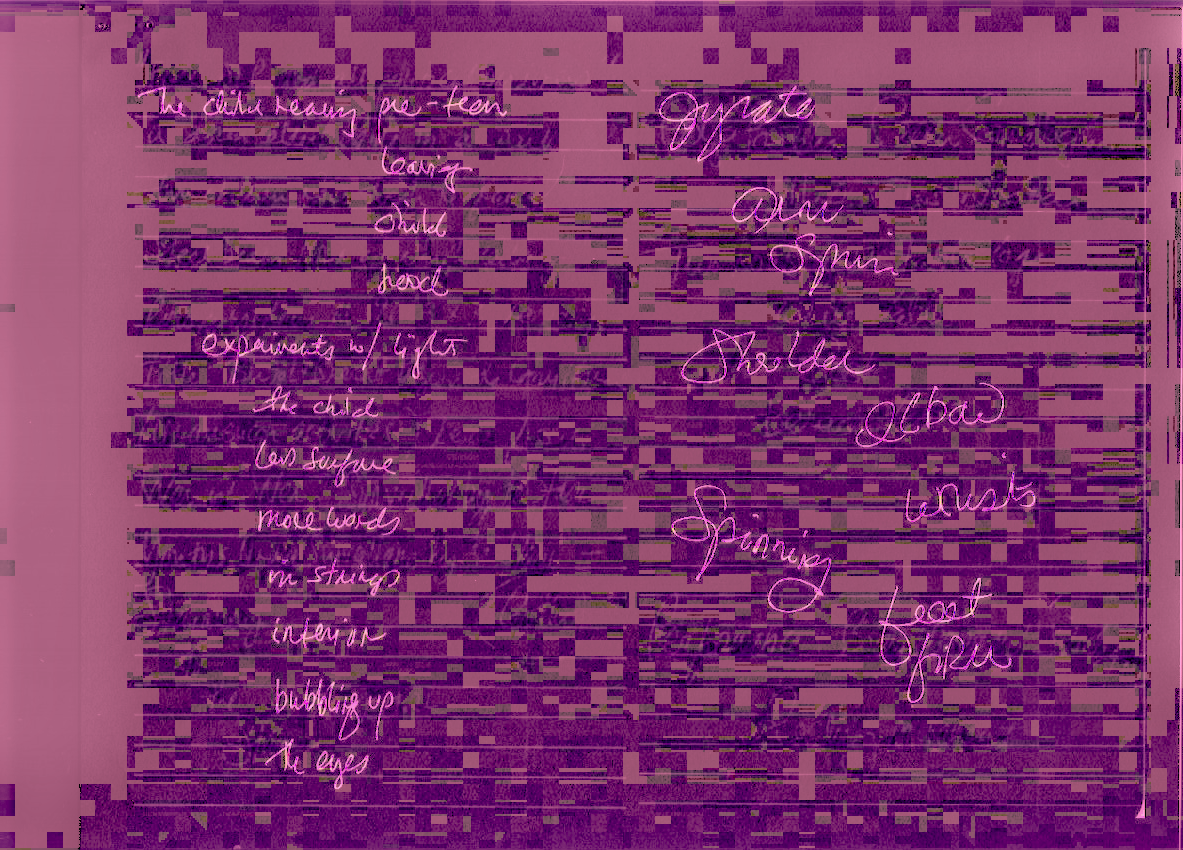
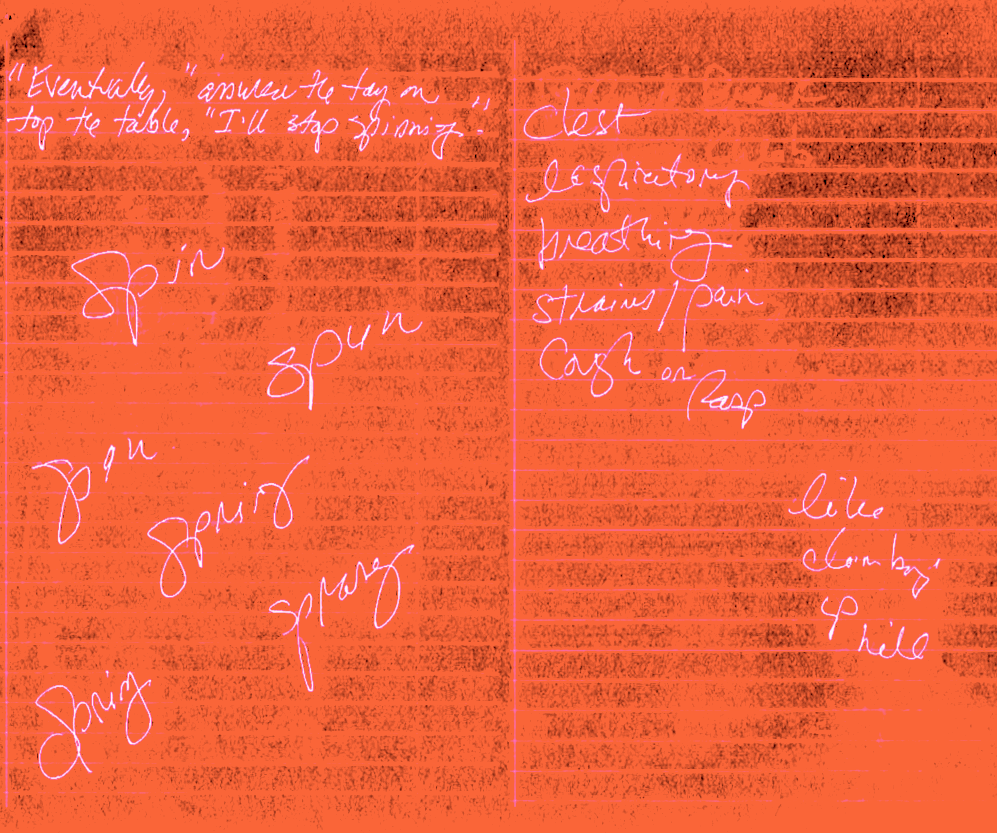
Fluid doesn’t mean formless. The translation Delphine Red Shirt read that evening in October five years ago emerged in the fleeting form of unrehearsed time, the analogue for which could not be perceived as its own cursive hand until the discovery of a recent work of photography and moving image. Homage to Ruth Berlau was published in 1999, but the Mutter Courage und hir kinder Model Book entered the Poetry’s field of vision ten years earlier by way of a sidewalk vendor in New York City in exchange for a single dollar. While undocumented, it is impossible not to trace the influence of Berlau’s physical and conversational presence during Benjamin’s Svendborg summer with Brecht shortly before the war. Following the lead of Berlau’s intuition of the doubly unreal, or super-exposure of the imaginary, the Poetry has longed for years for a moving image surpassing documentary simply by filming everything without discrimination, accepting the misshapen alongside emergent abundance of sight and sound. This is visual improvisation, related to action painting but without an object in sight other than the perception – not representation – of time in all its plenitude and beatitude. For all those who wander into the installation and see only formlessness since the perception of time teaches patience – infinite waiting – good riddance. Let them read a book or look at a painting. The Poetry can see a place other than the military laminar flow of print which artificial intelligence now owns. Rhythm and breath live elsewhere, as important as it is to defend the library and honor the printed literature of the last six centuries. On October 11, 2025, for the Vermillion Writing and Literature Conference, the slides or cards or plates that begin this page were voiced, accompanied by a timed showing of the text to provide the audience with visual patterns for the wordpaint. Notational improvisation means that the words can be arranged in any sequence like note cards, or tarot cards. The colorations reflect recent child’s play with open-source GNU image software. No claim is made for the status of art, which suffers the same commodity fate as books of poetry under the regime of Late Capital. At the very least, and it is hoped that they are even lower than least, they look to an unguessed future for soma, speech, and song.


